News & Press
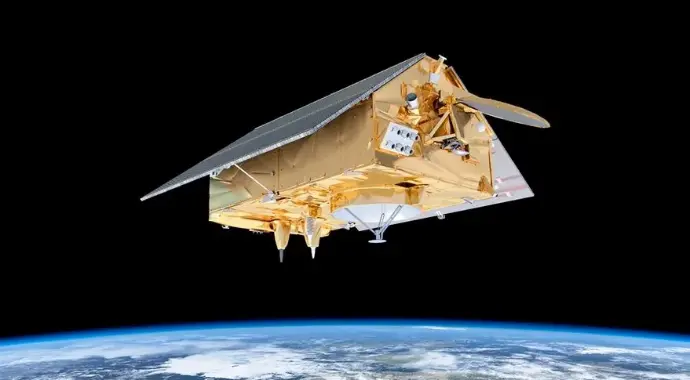
NASA and ESA already cooperate on Earth science research. An example is Sentinel-6, a program to fly two satellites to continue a three-decade record of sea level measurements. That program includes NASA and ESA, along with the National Oceanic and Atmospheric Administration in the United States and the European Commission, Eumetsat and the French space agency CNES in Europe. NASA launched the first European-built Sentinel-6 satellite in November 2020.
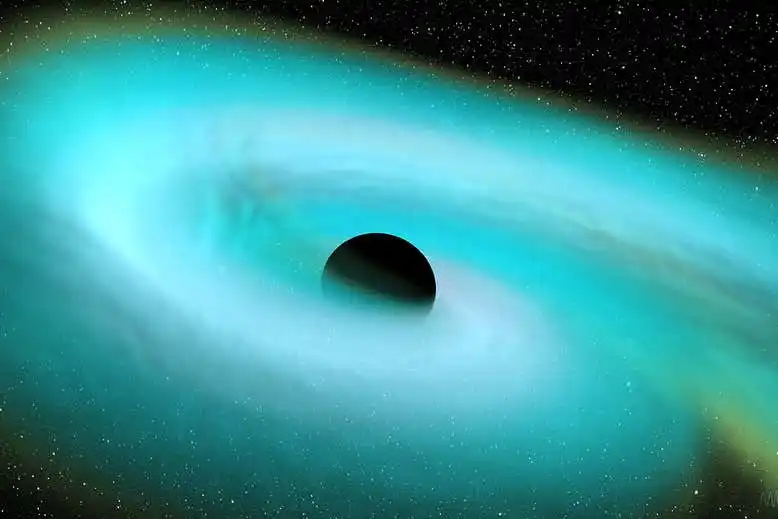
Astronomers have definitively detected a black hole devouring a neutron star for the first – and second – time. These cataclysmic events created ripples in space-time called gravitational waves that travelled more than 900 million light years to reach detectors on Earth.
The first of the two collisions was detected on 5 January 2020 by the Virgo observatory in Italy and one of the two detectors that make up the Laser Interferometer Gravitational-Wave Observatory, or LIGO, in the US (the second LIGO detector was temporarily offline). It consisted of a black hole about 8.9 times more massive than the sun consuming a neutron star about 1.9 times the sun’s mass.
The second, spotted on 15 January 2020 with all three detectors, was a black hole about 5.7 times the sun’s mass swallowing a neutron star about 1.5 times the sun’s mass. While LIGO has detected other events that could have been collisions between black holes and neutron stars, these two detections are significantly more clear and definitive
Meteorite that landed in Botswana tracked to its birthplace in the asteroid belt
A small asteroid barreled through the sky and burned up over the Kalahari Desert of Botswana in the summer of 2018 and now, scientists suspect that the space rock originated from Vesta, the second largest asteroid in the solar system.
The small asteroid, named 2018 LA, was first observed through a telescope at the University of Arizona’s Catalina Sky Survey and looked like a speck of light whizzing through the stars, according to a statement from the SETI Institute. “This is only the second time we have spotted an asteroid in space before it hit Earth over land,” Peter Jenniskens, a SETI Institute meteor astronomer, said in the statement. “The first was asteroid 2008 TC3 in Sudan 10 years earlier.”
Mere hours after being spotted, 2018 LA came tumbling out of the sky and burned up in the atmosphere over Botswana, transforming into a brilliant fireball. Remarkably, the SkyMapper Telescope at Australian National University (ANU) captured the moments just before the rock broke through Earth’s atmosphere, and CCTV camera footage caught the final moments of the meteor’s explosive descent in black-and-white.
“These last images before the asteroid entered Earth’s atmosphere were SkyMapper’s biggest contribution. They helped to pinpoint both the search area for the meteorite fragments on Earth and the meteor’s origin in space,” Christopher Onken, the ANU SkyMapper Project Scientist, said in a statement from ANU.
Pulling from the available astronomical observations, an international team of scientists pinpointed the region where the meteor likely disintegrated, scattering space rock fragments on the ground below; this region happened to fall within the Central Kalahari Game Reserve, a national park in the Kalahari Desert.
“The meteorite is named ‘Motopi Pan’ after a local watering hole,” Mohutsiwa Gabadirwe, a geoscientist at the Botswana Geoscience Institute (BGI) in Lobatse, said in the SETI statement.
Read the full article from LIVESCIENCE here.
NASA is finally headed back to Venus.
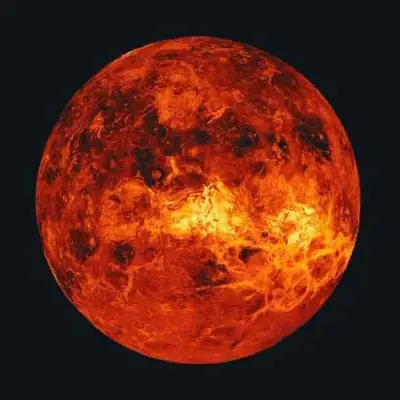
On June 2, 2021, NASA Administrator Bill Nelson announced that the agency had selected two winners of its latest Discovery class spacecraft mission competition, and both are headed to the second planet from the Sun.
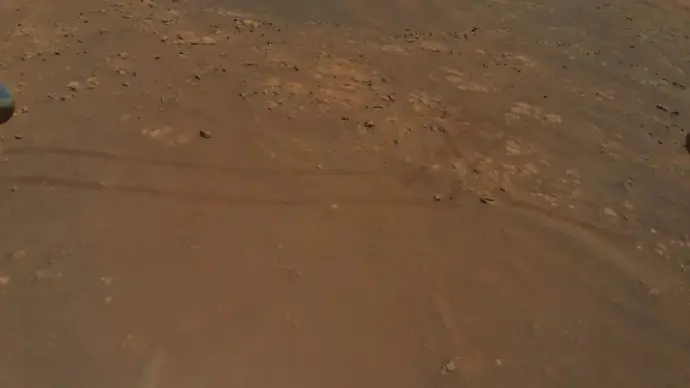
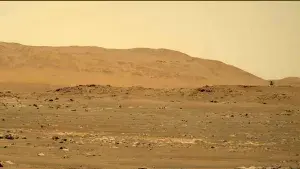
Ingenuity successfully completed its fourth flight today (to be seen mid right above), and we couldn’t be happier. The helicopter took off at 10:49 a.m. EDT (7:49 a.m. PDT, or 12:33 local Mars time), climbing to an altitude of 16 feet (5 meters) before flying south approximately 436 feet (133 meters) and then back, for an 872-foot (266-meter) round trip. In total, we were in the air for 117 seconds. That’s another set of records for the helicopter, even compared to the spectacular third flight. – NASA Science
Read the status updates as Ingenuity completes Its Fourth Flight on 30 April 2021 on the LINK HERE
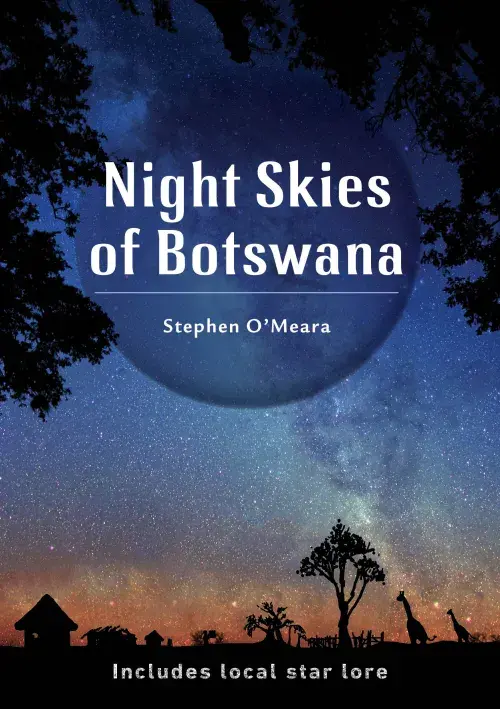
Stephen O’Meara who lives in the north of Botswana has published his latest book Night Skies of Botswana published by Penguin Random House and is available on order at Exclusive Books in Gaborone and on Amazon. It’s a very informative and excellent book worth buying.
Telescope Donation
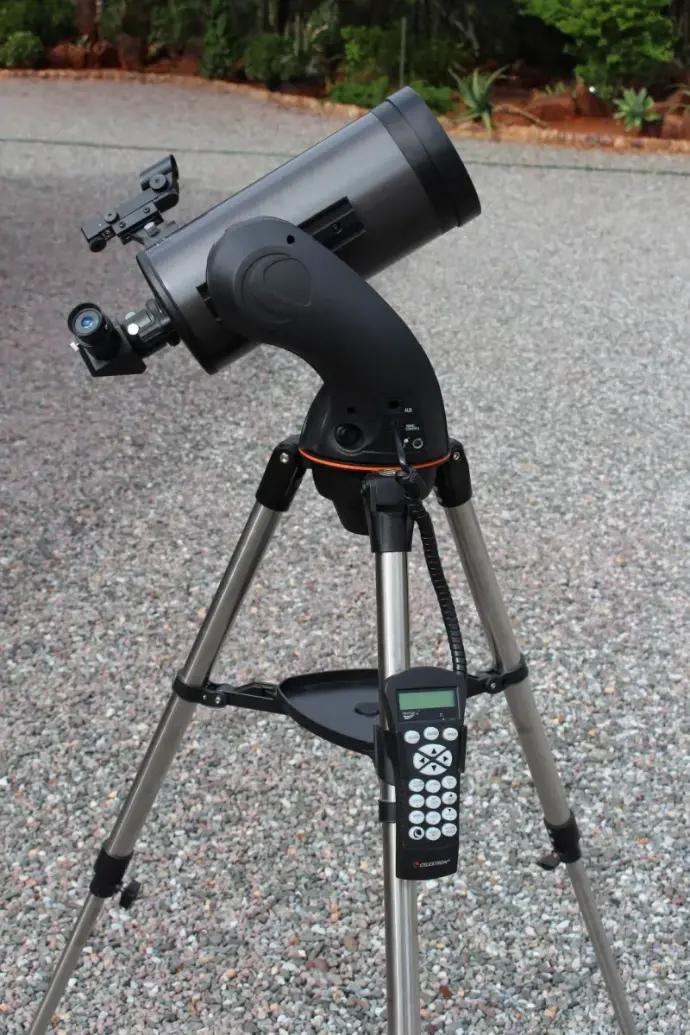
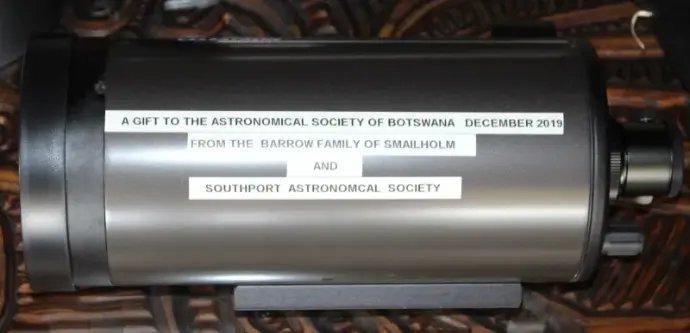
In December 2019, the ASB received a donation from the Southport Astronomical Society in the U.K. The generous donation was made to the society by SAS members John and Marjorie Barrow, and the ASB owes many thanks to them all. The donation consisted of a 5” Celestron SLT127 Maksutov Cassegrain astronomical telescope, including all the needed manuals, software and accessories. The logistics, shipping, duty and all else were arranged and paid for by Mr. Michael Dow, chairman of the SAS, Professor Mike Bode and Mr. and Mrs. Harold Hester of the ASB and Mr. Ian White. Thanks to all of them as well.
The telescope is awaiting the completion of a concrete viewing plinth on a specially selected spot at the Mokolodi Nature Reserve outside of Gaborone, where it can be used by the ASB for future activities. An agreement has been signed between the ASB and Mokolodi allowing for the telescope to remain safely stored at Mokolodi when not in use. As soon as the viewing site is ready, a brief training course will be organized to teach any interested members on the proper assembly, alignment and use of the instrument. All members will be notified in advance once a date has been decided.
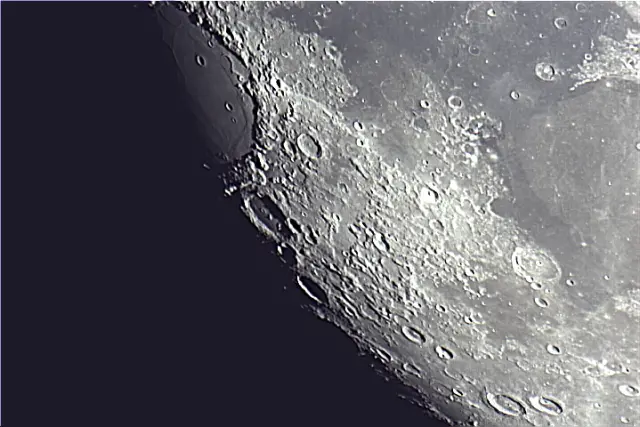
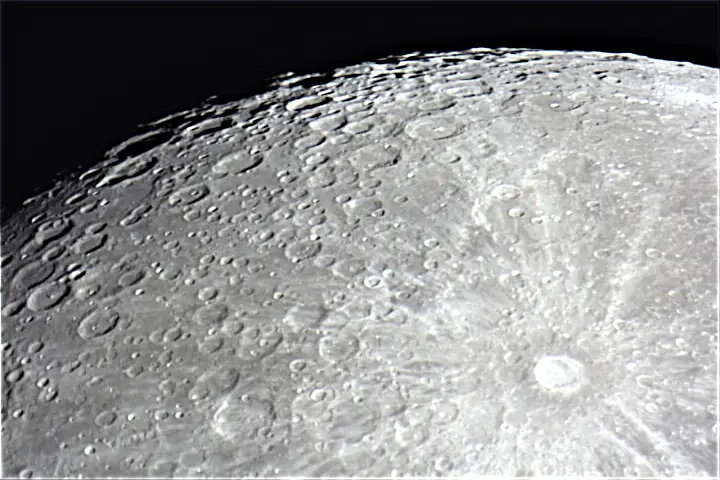
After the telescope was received in Gaborone, society member Mr. Bill Tomlinson set up the instrument in Kanye for testing and captured some images of the moon as examples of what the scope is capable of. The lunar images were later posted on Facebook by Mr. Gihan Ilangakoon, ASB secretary, and were acknowledged by Celestron – the manufacturer of both the telescope and the camera that were used – requesting permission for their use on their company website. Two of the images can be seen below.
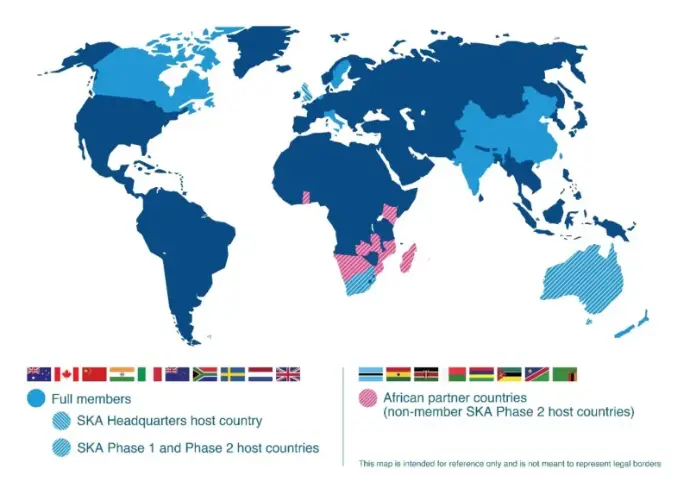
SQUARE KILOMETER ARRAY
From Wikipedia, the free encyclopedia
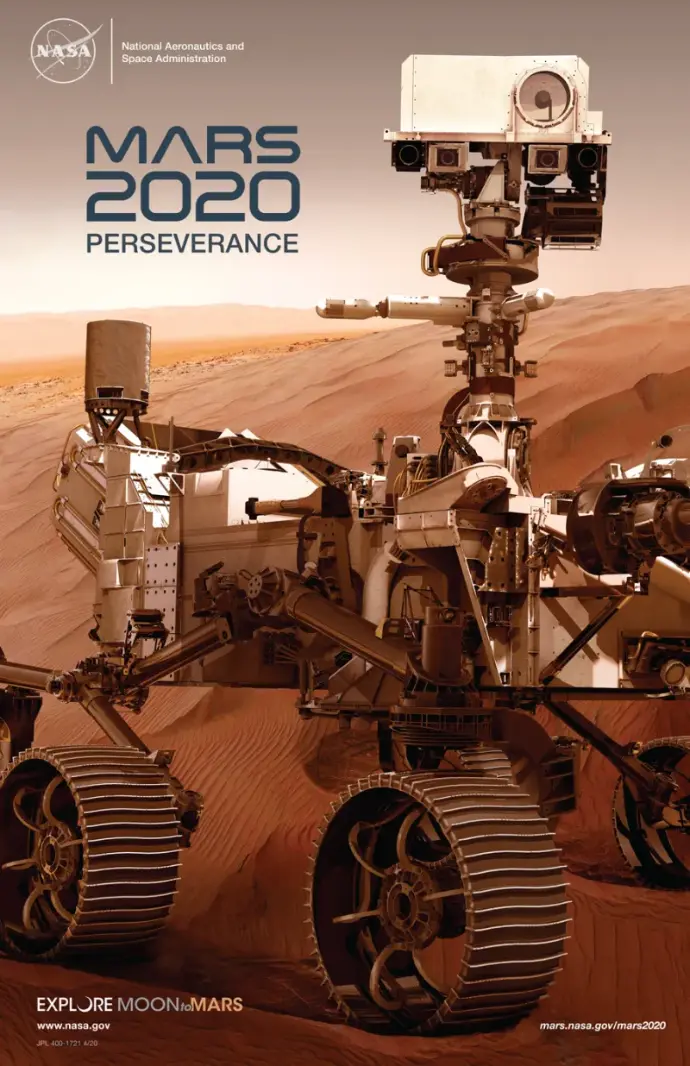
Mars 2020 Mission – Perseverance Rover
check for updates here
Through Dr. Motshegwa’s efforts, Botswana was the recipient of ten telescopes as part of the open-astronomy-school.org project aimed at promoting STEM at the secondary level. A teacher’s training workshop(s) will be organized soon where the Society’s participation is anticipated. This project promises to be both rewarding and beneficial to all involved. We will update this section as things unfold.
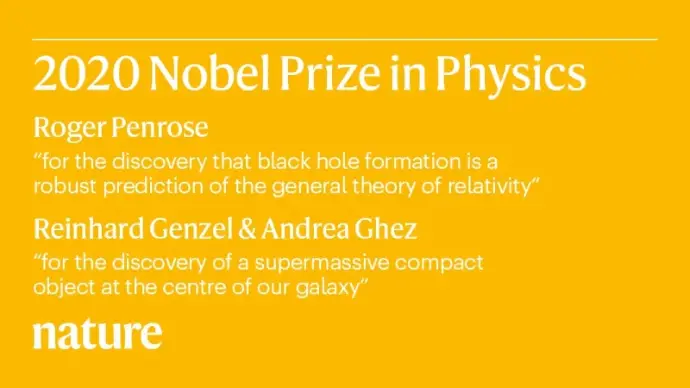
2020 Nobel Prize in Physics
Link to Andrea Ghez 2013 Article : Star Tracker
Mokolodi Stargazing
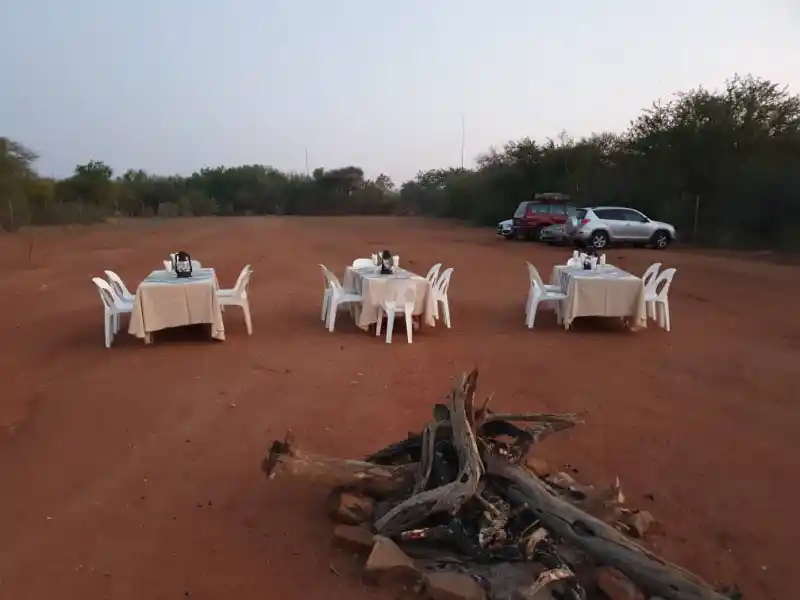
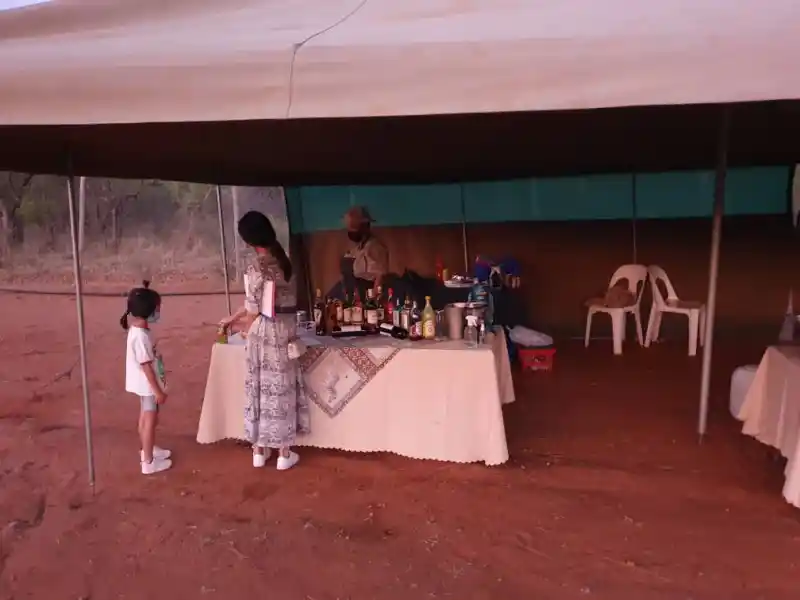
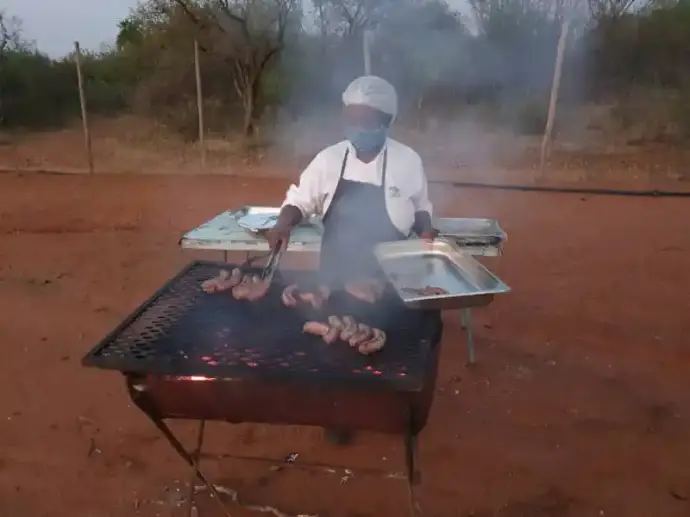
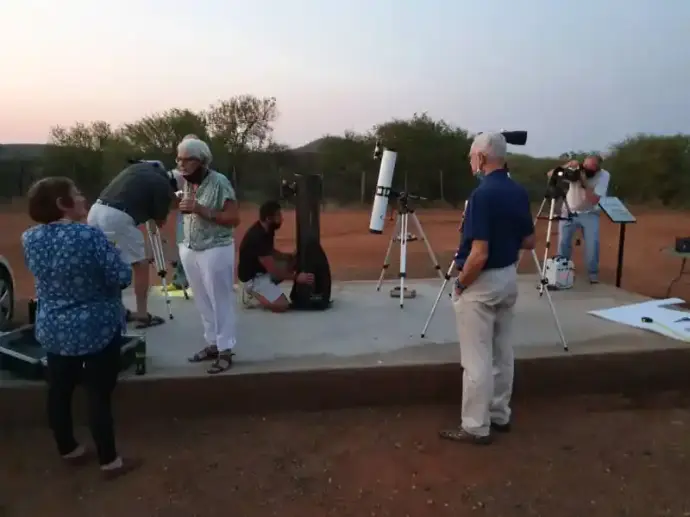
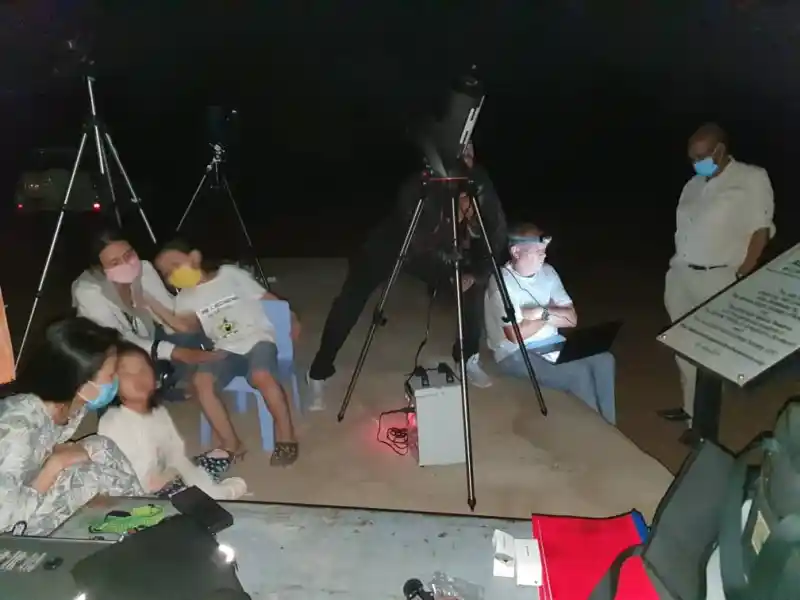
On the 24th of October , 16 Members of the society gathered at the Mokolodi Nature Reserve for drinks, dinner and an evening of Stargazing. There were 5 telescopes and some binoculars on hand. Planetary images were taken with the society’s Celestron.